The AI-Enhanced Headless CMS and DAM Built for B2B2C Brands
Two audiences. One platform. No duplication.
Amplience is an AI-enhanced headless CMS and DAM built for B2B2C brands. B2B2C means manufacturers and brand owners selling through wholesale and retail partner networks while also running a direct-to-consumer channel. It manages the content supply chain for both audiences from one platform, generating, governing, and delivering product content to trade buyers and consumers simultaneously.
Why content consistency breaks down when you sell wholesale and direct
Trade buyers need accurate technical specifications, account pricing, and sales enablement materials. Consumers need brand storytelling, product discovery, and a reason to choose you over every other option in front of them. The content is different, the channels are different, and the format requirements from every retail partner are different.
Getting consistent product content to every retail partner makes it harder still. According to Syndigo’s 2025 State of Product Experience report, 75% of consumers form a negative opinion about a brand when they encounter incomplete or inaccurate product information online. Every retail partner storefront is a point where that can happen. A sporting goods brand managing product content across sixty retail partner storefronts is handling sixty different sets of format requirements. Scale that across FMCG, consumer electronics, or apparel and the complexity multiplies.
AI is changing how consumers discover products. Shoppers now ask AI assistants for recommendations, compare options across brands, and arrive at a retailer already decided. Or already gone elsewhere. Structured, enriched, consistently syndicated product content is what gets a brand manufacturer into those AI-generated results and AI Overviews. If the content is inconsistent across retail partners, it is inconsistent at every point where that discovery happens.
That is the content supply chain problem at the heart of B2B2C. Amplience solves it with one integrated platform for generating, governing, and delivering product content to wholesale partners, retail storefronts, marketing platforms, and brand.com.
The Amplience Platform: The AI-Enhanced Headless CMS and DAM for Enterprise Retail
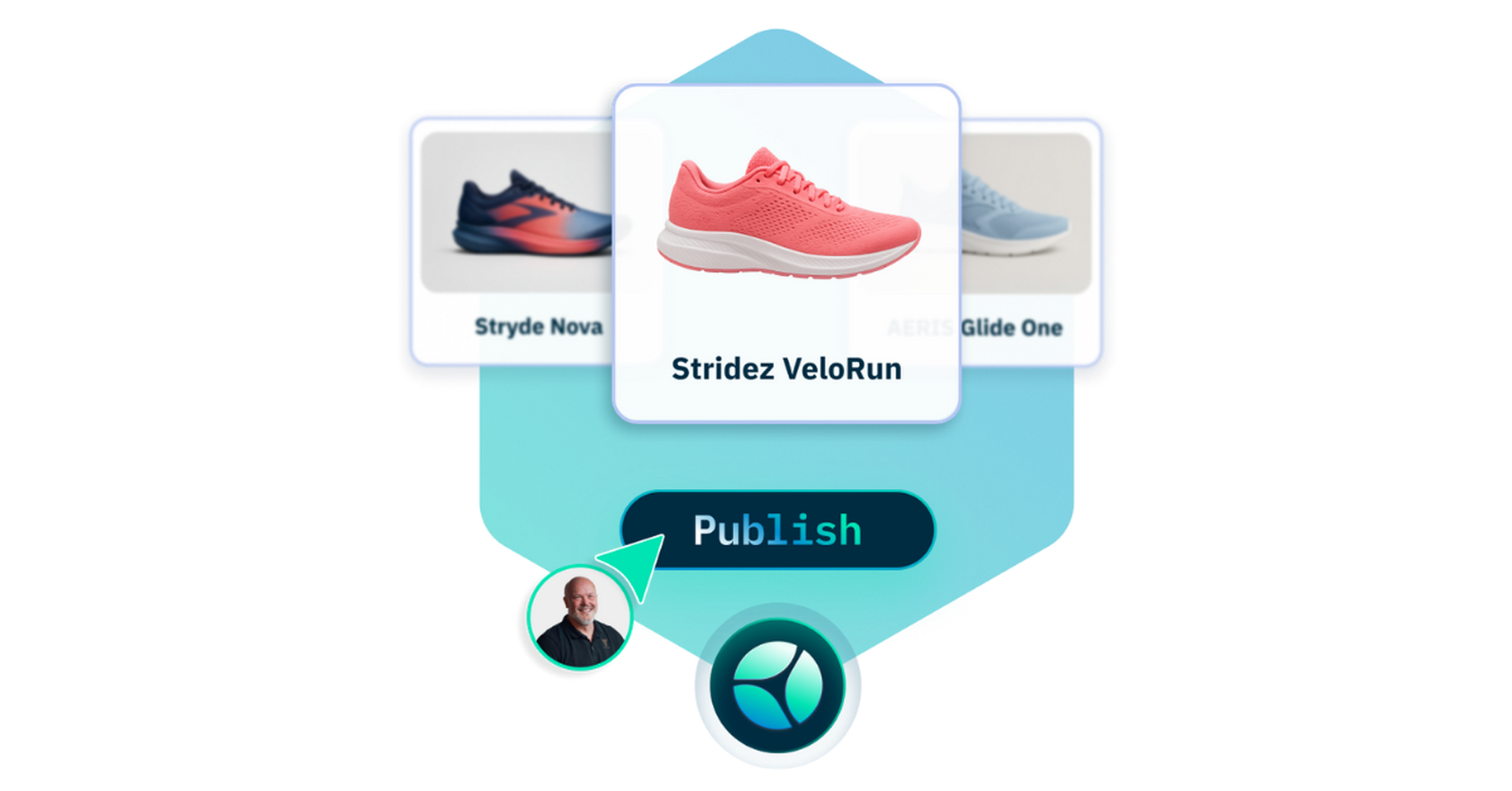
Dynamic Content (CMS)
Create, preview and publish content at scale.
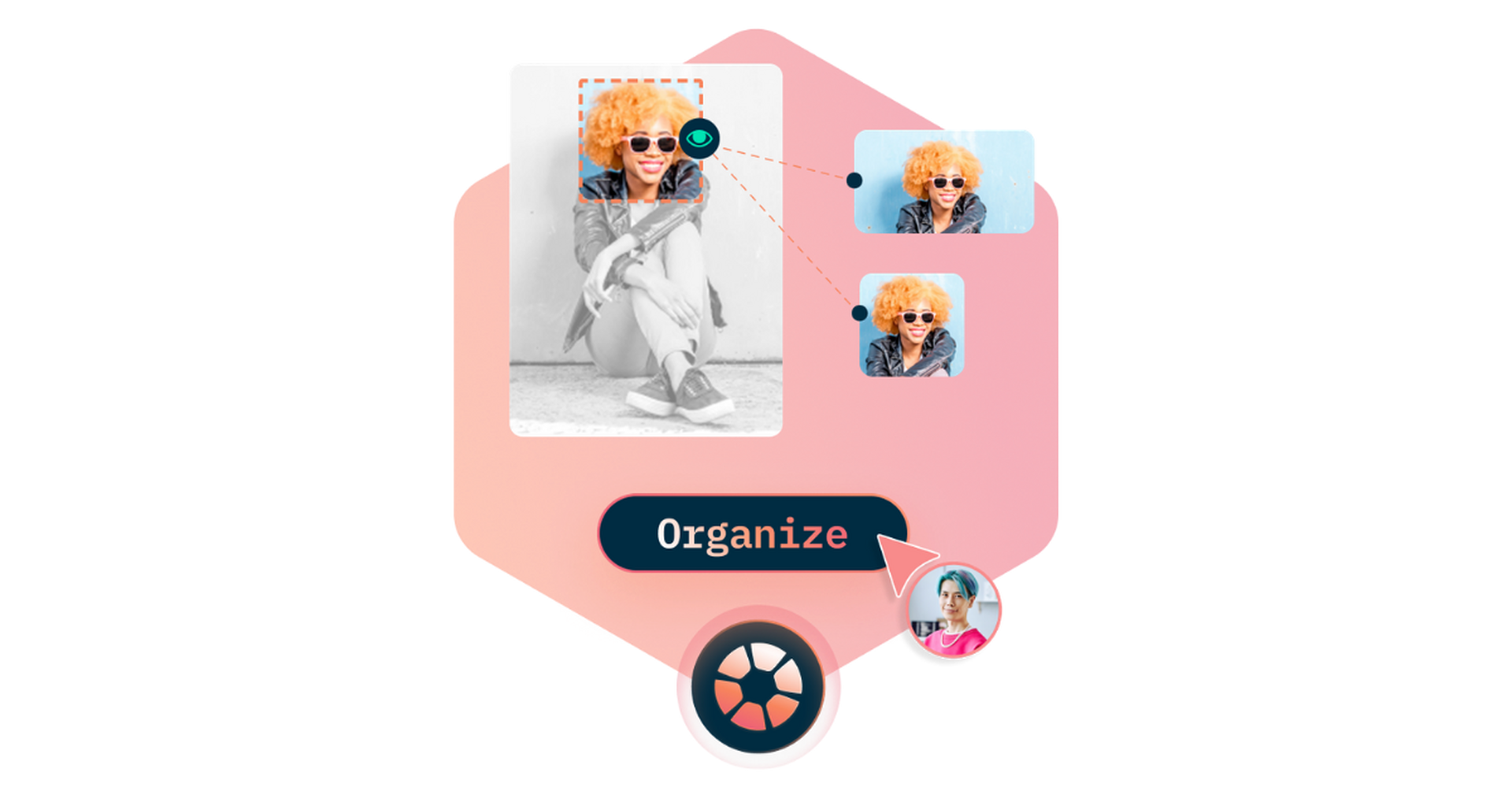
Content Hub (DAM)
Organize, enrich, and manage your media assets in one place.
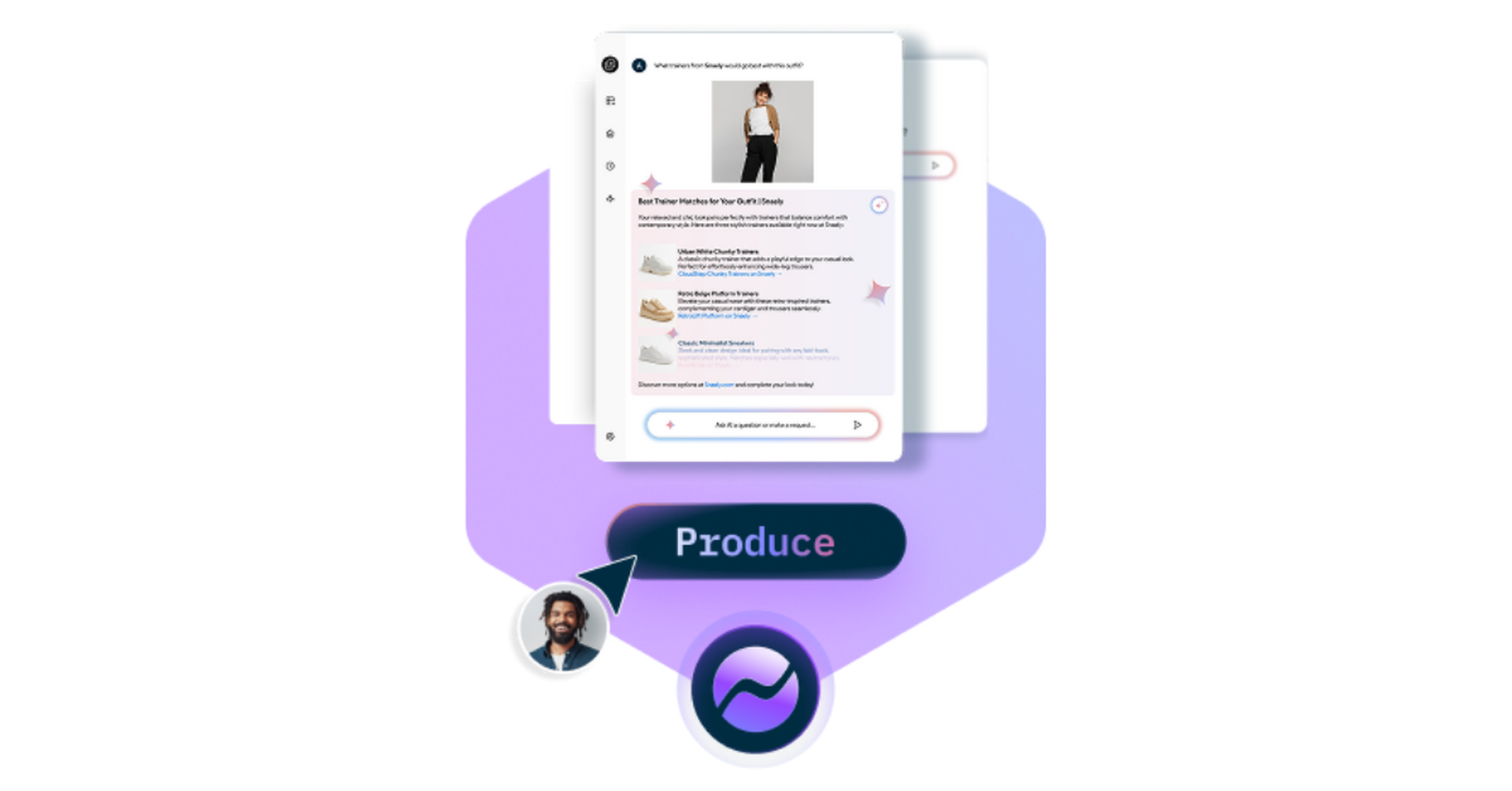
Workforce AI
Agentic workflows for automated content production.
How Amplience powers the B2B2C content supply chain
One platform. Every partner, every channel, every market.
From 5 days to 90 seconds. Automate everything boring.
Amplience Workforce is an agentic content supply chain platform built for brand manufacturers managing content for wholesale and DTC simultaneously. It acts on triggers rather than waiting to be prompted. It has in-built human governance. A new product range enters your PIM or ERP and Workforce gets to work, pulling structured data and generating product descriptions and marketing copy, then localizing editorial content across every required market in a single automated pipeline. The same product. Ready for trade buyers and consumers. At the same time.
Workforce Flows are the multi-step automated pipelines that run the full production sequence. Generation, localization, image standardization, review, and publish all happen in one connected workflow. Every Flow includes configurable human review checkpoints. Standard product descriptions can be configured to publish with minimal review. Regulatory claims route to a compliance reviewer before anything goes live. And because Workforce orchestrates structured, enriched content from day one, every product is AI-ready and discoverable by generative engines from the moment it goes live.
Content for trade buyers and consumers, generated from one source
A trade buyer needs the technical specification. A consumer needs the story behind it. Workforce orchestrates the production of both from the same structured product data, with brand voice built into the generation model from the start. For FMCG and CPG brands where regulatory claims, ingredient listings, and allergen data are non-negotiable, Amplience’s headless CMS supports structured Compliance Blocks as a dedicated content type. Allergen data, food safety certifications, and regulatory claims are structured, governed, and routed for mandatory review independently from standard product content.
Localization runs in the same pipeline. A single Flow handles every market in one pipeline, producing localized content variants that preserve brand voice rather than just translating words. Every market. Every channel. One pipeline.
AI digital asset management built for brand consistency across every retail partner
Content Hub is Amplience’s AI-powered DAM, and the only enterprise DAM built natively into the same platform as the CMS and Workforce. That matters for B2B2C brands because brand assets, product imagery, technical datasheets, and sales materials all need to reach wholesale portals, retail partner storefronts, and brand.com simultaneously, consistently, and with the right version in the right place. Content Hub makes that governable at scale.
Intelligent AI tagging, automatic focal point detection, and background removal mean assets are organized, optimized, and ready to use the moment they are ingested. Tiered access controls ensure each retail partner tier sees only the assets they are authorized to use. Governed expiry means outdated product photography, superseded spec sheets, and expired campaign assets are removed automatically when replaced, not when someone spots them still live across a partner storefront six weeks after a product refresh.
A headless CMS that serves trade buyers and consumers from a single content model
Your content team should not need a developer to launch a campaign or schedule a product release. Amplience’s CMS gives business users full control of the experience across every channel, from one platform. Partner portal content and brand.com content are delivered from the same structured content model, differentiated by audience scope and DAM access tier. Salesforce catalog IDs or SAP Commerce SKU references sit directly in content items. The CMS manages the experience. The commerce platform manages the transaction.
Seasonal launches, campaign scheduling, and annual range go-lives are managed with time-based publishing across the full content graph. A product goes live on brand.com, the wholesale portal, and Marketing Cloud simultaneously. For any brand manufacturer where the launch window is fixed and missing it has direct commercial consequences, this is where content operations either hold or break.
API-first, MACH-certified, and your foundation for agentic commerce
Amplience is MACH Alliance-certified and fits any composable B2B2C stack, including SAP Commerce Cloud, Salesforce B2B Commerce, commercetools, and BigCommerce. Structured content from the CMS feeds Algolia and Constructor search indexes. Retail partners consume enriched, on-brand content via API, not raw data from a PIM or ERP that needs reformatting on arrival. The content supply chain extends all the way to the retail partner storefront.
Workforce integrates via APIs and webhooks, automating what you already have without rebuilding it.
The content platform behind some of the world's most recognized brand manufacturers
Hyperspeed. Without hyperventilating.
Book a demo and see how brand manufacturers are getting new products live across wholesale and DTC in a fraction of the time.