Contentstack Alternative for Retail
Compare Contentstack vs Amplience
Discover why enterprise retailers running high-volume content supply chains choose Amplience over Contentstack.
Contentstack is a capable enterprise headless CMS with an ambitious AI roadmap. For organizations managing omnichannel content and investing in personalization, it has real strengths. But it was built as a content management layer, and for retailers running high-volume product content operations, that distinction matters.
Amplience is built specifically for commerce. It brings CMS, DAM, and AI-powered workflow automation into a single platform, designed to run the content supply chain at retail scale.
Choosing between Contentstack and Amplience is a choice between a general-purpose enterprise CMS and a commerce-native content operations platform.
Contentstack vs. Amplience: The Strategic Difference
Contentstack and Amplience are solving different problems.
Contentstack: The Enterprise Generalist
Contentstack is a headless CMS with native personalization via Lytics CDP, and an AI orchestration layer in Agent OS.
Amplience: The Commerce-Native Platform
Amplience is a content supply chain platform. It unifies CMS, DAM, and agentic AI automation in one system, built from the ground up for commerce teams managing high-volume product content at global scale.
Contentstack: The CMS with an AI Vision
Contentstack is API-first, MACH-native, and genuinely developer-friendly. It has a broad partner ecosystem, solid enterprise security, and a Visual Editor that gives non-technical users more control than many headless systems. For large enterprises standardizing on API-first content delivery across global markets, it works.
Contentstack has invested significantly in AI. Agent OS, its agentic orchestration layer, launched in May 2026. Polaris provides an embedded AI assistant across the platform UI. BrandKit applies brand governance to AI outputs. For enterprises prioritising AI-driven content, it is a credible and well-resourced option.
Understanding the distinction between Contentstack’s shipped capabilities and its roadmap is worth doing clearly before you commit. The automation tools that are fully available today are built primarily for developer teams. Contentstack’s AI integrations sit outside the core software contract and are subject to discretionary discontinuation.
Where Contentstack works
API-first content delivery for large enterprise teams managing structured content across global markets.
Multi-brand content management where developer teams own the workflow.
Organizations buying into an agentic AI platform that went to market in May 2026 and are comfortable with capabilities still establishing their enterprise track record.
Limitations to consider for retail
High-volume commerce content operations requiring bulk editing and CSV/Excel import.
Teams needing native DAM and CDN without adding a second vendor.
Content teams who need to own and run automation without developer involvement.
Contentstack operates a modular pricing model. Several capabilities, including native personalization and workflow automation, sit outside the core subscription and are licensed separately.
CMS and Authoring: Where the Platforms Differ
Contentstack offers a Visual Editor with drag-and-drop page building, live preview, and the Polaris AI assistant available across the platform UI. For content teams managing standard editorial workflows, it is a capable authoring environment.
At operational scale, the constraints become more significant. Contentstack has no native bulk editing and no CSV or Excel import for high-volume catalogues. Updates to large product ranges require item-by-item changes, which adds manual overhead as catalog size grows.
Amplience is designed for the opposite use case. Bulk operations, multi-market scheduling, and visual previews across devices and channels are built into the core platform, not configured separately.
AI that Assists vs AI that Orchestrates
Both platforms have AI. The gap is whether your content team can use it without a developer.
Contentstack: AI that assists editors
Contentstack’s in-platform AI tools help editors work faster on individual tasks including generating text, translating a field, and summarizing content. These are genuine productivity improvements for the individual user.
At enterprise scale, the model hits a ceiling. AI Assistants operate field by field, with no shared context between them. At high operational volumes, that adds up to significant manual effort.
Amplience Workforce: The Content Operations Layer
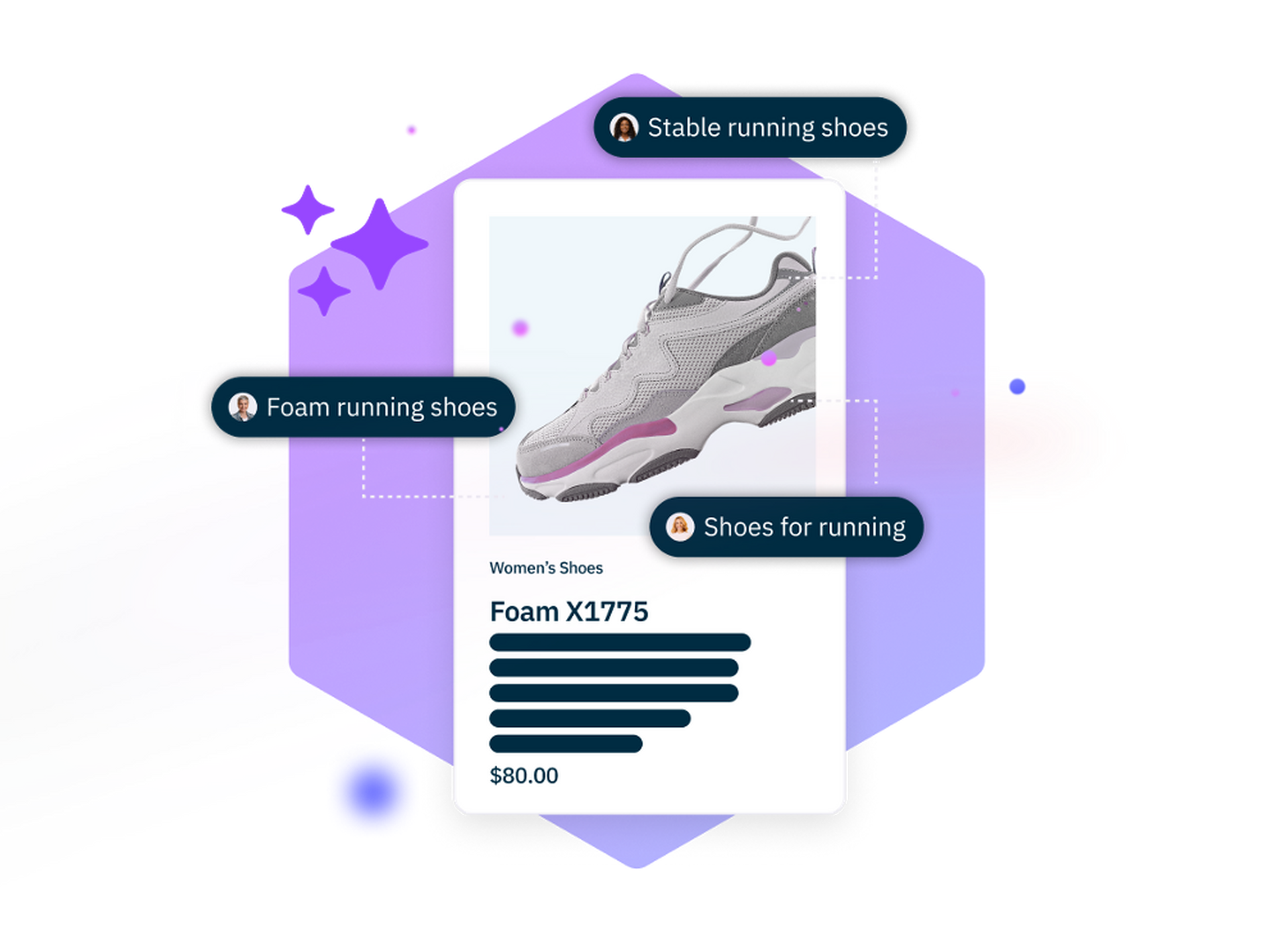
Amplience Workforce was built for content operations teams, not individual editors. It runs entire workflows automatically, from brief to delivery, without step-by-step human initiation.
When a new SKU is added or an inventory change occurs, Workforce triggers AI agents to complete end-to-end workflows in the background. Content, media, and localization are handled together, with human review checkpoints built in where they matter.
A Workforce agent can autonomously:
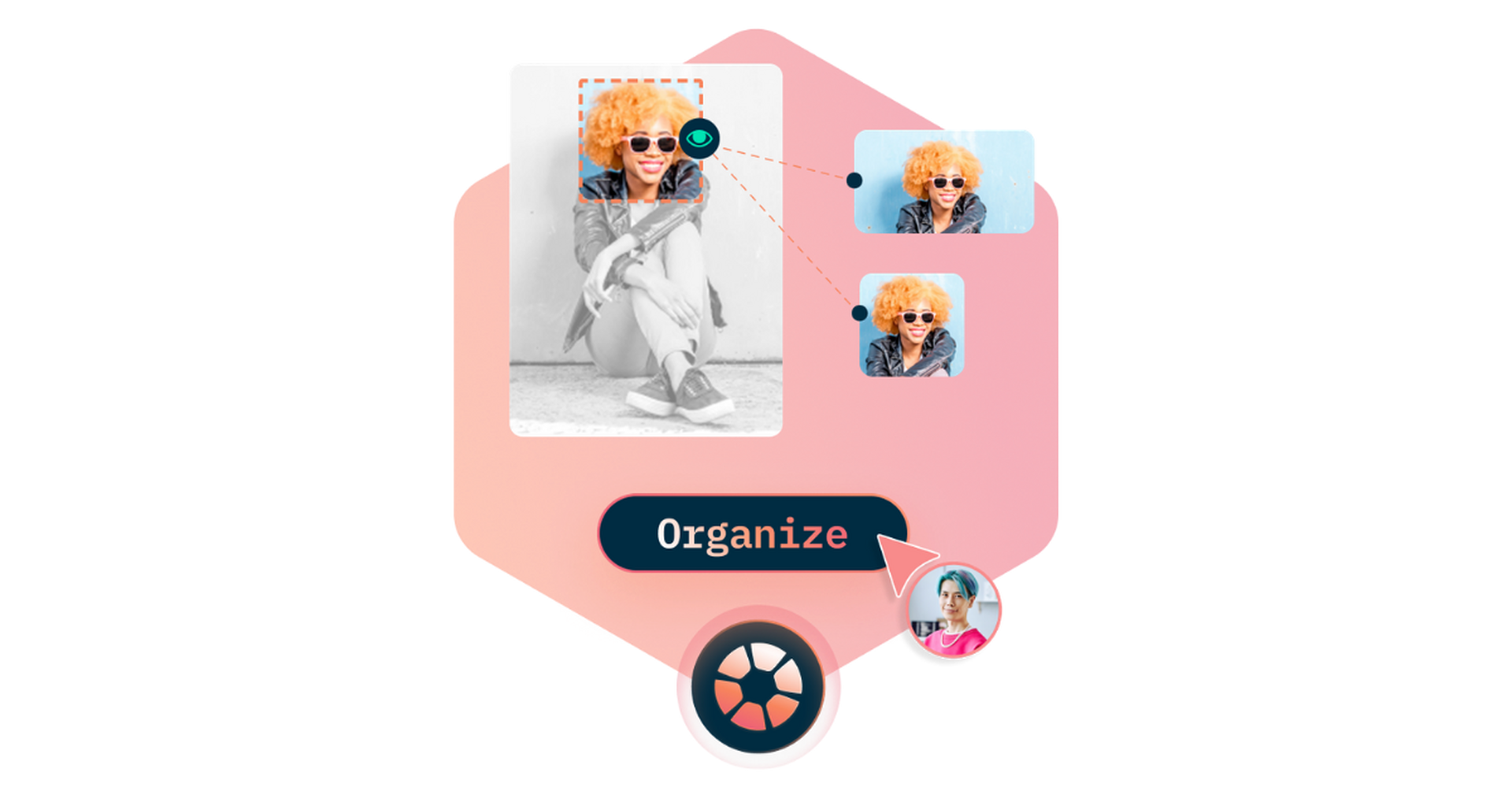
Analyze a raw product image: remove backgrounds, auto-crop for mobile, and extract swatches.
Orchestrate across fields: generate SEO metadata, write brand-aligned copy, and localize it for every market in a single flow.
Connect the chain: tag the asset for search and organize it within the DAM for immediate delivery across your commerce stack.
Run parallel workstreams: manage simultaneous brand launches or multi-market updates without manual supervision.
Contentstack’s AI makes editors faster. Amplience Workforce runs the operation.
DAM and Media: Marketing Assets vs Product Media at Scale
Contentstack: Asset Management for Marketing Workflows
Contentstack launched its native DAM, Contentstack Assets, in May 2026. It includes AI-powered features including auto-tagging and shoppable image hotspots, and for standard marketing asset workflows it covers the basics. As a newly launched product, its production track record at enterprise scale is still being established. Most retailers operating at volume will want to see maturity and reliability data before committing media operations to a platform that has been live for months rather than years.
The limits become apparent at product media scale. For retailers managing large product catalogs, the asset volume limits and the absence of a native delivery and transformation layer are the more material constraints.
Amplience Content Hub: CMS, DAM, and Delivery as One System
Content Hub is Amplience’s production-grade DAM, built for the asset volumes and delivery demands that retail runs at.
Dynamic Media, Amplience’s image and video delivery service, handles real-time transformation from a single master asset through a URL-based API. Format conversion, focal point cropping, and channel-specific resizing happen on demand at CDN edge, which directly affects page load performance and Largest Contentful Paint scores. For SEO-sensitive retail brands, that is a commercial consideration as well as a technical one. To replicate this natively with Contentstack, a retailer would typically add Cloudinary or a comparable image CDN alongside their CMS and DAM. That is three separate vendor contracts, three integrations to maintain, and media transformation logic split across different systems. Amplience handles all three in one platform.
Contentstack vs. Amplience Feature Comparison
| Feature | Contentstack | Amplience |
|---|---|---|
| Platform scope | Headless CMS + personalization layer (Lytics). DAM and commerce via integrations. | CMS + DAM + Workforce AI in one platform. |
| Agentic AI | Agent OS launched May 2026. Maturity at enterprise scale still establishing. | Workforce AI: live in production across content supply chain. |
| DAM and media | Contentstack Assets launched May 2026. Media transformation and delivery via third-party tools. | Content Hub with native Dynamic Media. Real-time transformation and CDN delivery built in. |
| Bulk content ops | No native bulk editing or CSV import. | Bulk operations and high-volume catalog management built in. |
| Personalization | Native via Lytics CDP. Requires separate license. | Feeds personalization engines via integration. |
| Architecture | MACH-native. REST and GraphQL APIs, SDKs, CLI. | MACH-certified. REST and GraphQL APIs, CLI, composable architecture. |
Contentstack and Amplience: Platform Considerations
Several capabilities, including native personalization and advanced AI features, sit outside Contentstack’s core subscription. When comparing platforms, map what is included in the tier you are being quoted against what requires additional licenses. The all-in number often looks different from the headline figure.
G2 Peer Reviews: What Users Say
Verified user reviews on G2 highlight clear differences between the two platforms:
Amplience reviewers specifically note its commerce-focused product direction and the strength of its digital asset management.
Reviewers flag a steeper learning curve for non-technical Contentstack users and limitations around bulk content operations.
Amplience stands out for its commerce-focused product direction and the depth of its DAM capabilities. For retailers evaluating both platforms, the DAM maturity difference is worth factoring in.
Which Platform is Right for You?
Contentstack suits you if you:
Need API-first CMS for large enterprise teams delivering structured content at scale.
Are investing in AI-driven personalization as a day-one priority and comfortable with an evolving platform.
Have developer teams to configure, build, and maintain automation workflows.
Operate across industries and need a broad DXP platform rather than a commerce-specific solution.
Amplience suits you if:
Run high-volume product content operations across regions, brands, and channels.
Need native DAM and media transformation without adding a second vendor.
Want content teams to own day-to-day automation without raising developer tickets for routine content work.
Require predictable total cost of ownership from a single platform contract.
What our customers say
Amplience powers content operations for some of the world’s leading retailers. Here is what they say about working with us.
Contentstack vs Amplience: General purpose has a cost
Download the full comparison to see:
The AI breakdown. Why the distinction between AI helpers and AI orchestration matters for your content operations.
The platform comparison. A side-by-side breakdown of strengths and limitations for both platforms.
Customer proof. How Primark and The Very Group are running content operations with Amplience.
The commercial picture. What general purpose actually costs at retail scale.
Explore More


Ready for whatever commerce throws at you next?
See how we help teams move from idea to everywhere.