The AI-Enhanced Headless CMS and DAM Built for B2B Ecommerce
More SKUs. More channels. No more bottlenecks.
Amplience is an AI-enhanced headless CMS and DAM built for B2B ecommerce content operations. It combines structured content management, governed digital asset management, and AI-powered content generation in one platform, purpose-built for distributors and manufacturers managing complex product catalogs, dealer portals, and partner networks at scale.
Why B2B buying journeys have outgrown the platforms built to serve them
B2B buyers now research, compare, and shortlist suppliers the same way they shop as consumers. They expect self-service portals, accurate product content, and digital catalog experiences that rival the best B2C sites. Delivering that on top of the complexity that defines B2B commerce, tens of thousands of SKUs, multiple customer segments, dealer networks, partner portals, and compliance requirements, is a content operations challenge as much as a technology one. The appetite is there. The content infrastructure to match it often is not.
The content scale problem is the hardest part. Distributors typically manage product catalogs spanning tens of thousands of SKUs across multiple categories. Each product requires accurate descriptions, technical specifications, compliance documentation, and imagery, served simultaneously to a B2B storefront, a dealer portal, and a field sales team.
AI is raising the bar further. Procurement teams can now use AI assistants to compare specifications and shortlist suppliers before a human gets involved. Structured, enriched product content is not a nice-to-have in this environment. It is what determines whether your products appear in AI-powered procurement results, AI Overviews, and the generative engine responses that B2B buyers increasingly use to research and shortlist suppliers. For B2B brands, a well-run content supply chain is increasingly a direct growth lever, not just an operational overhead.
One integrated platform handles all of it. Headless CMS, AI-powered DAM, and automated content generation working together, with SAP Commerce Cloud and Salesforce B2B Commerce integrations proven in production.
The Amplience Platform: The AI-Enhanced Headless CMS and DAM for Enterprise Retail
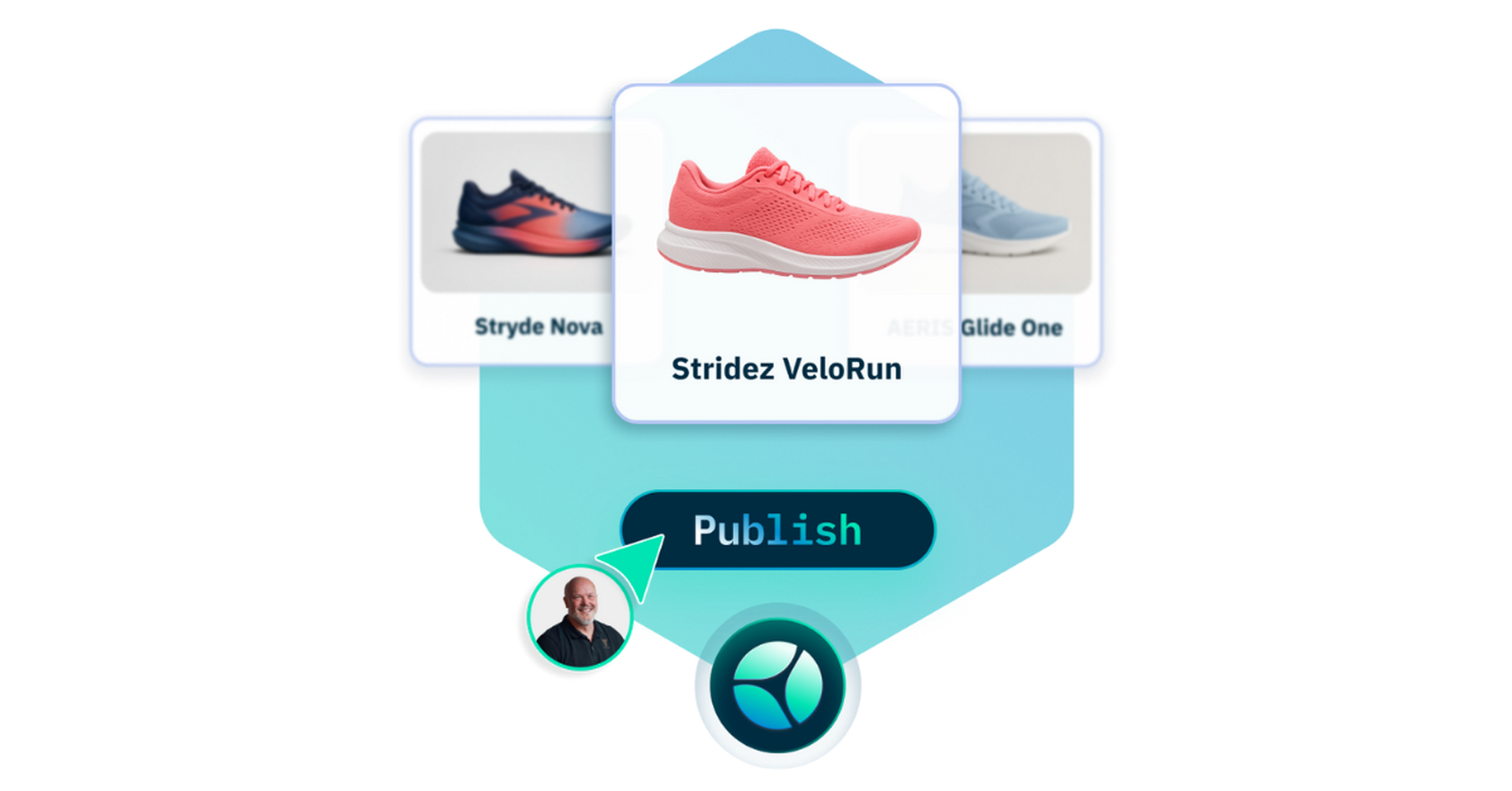
Dynamic Content (CMS)
Create, preview and publish content at scale.
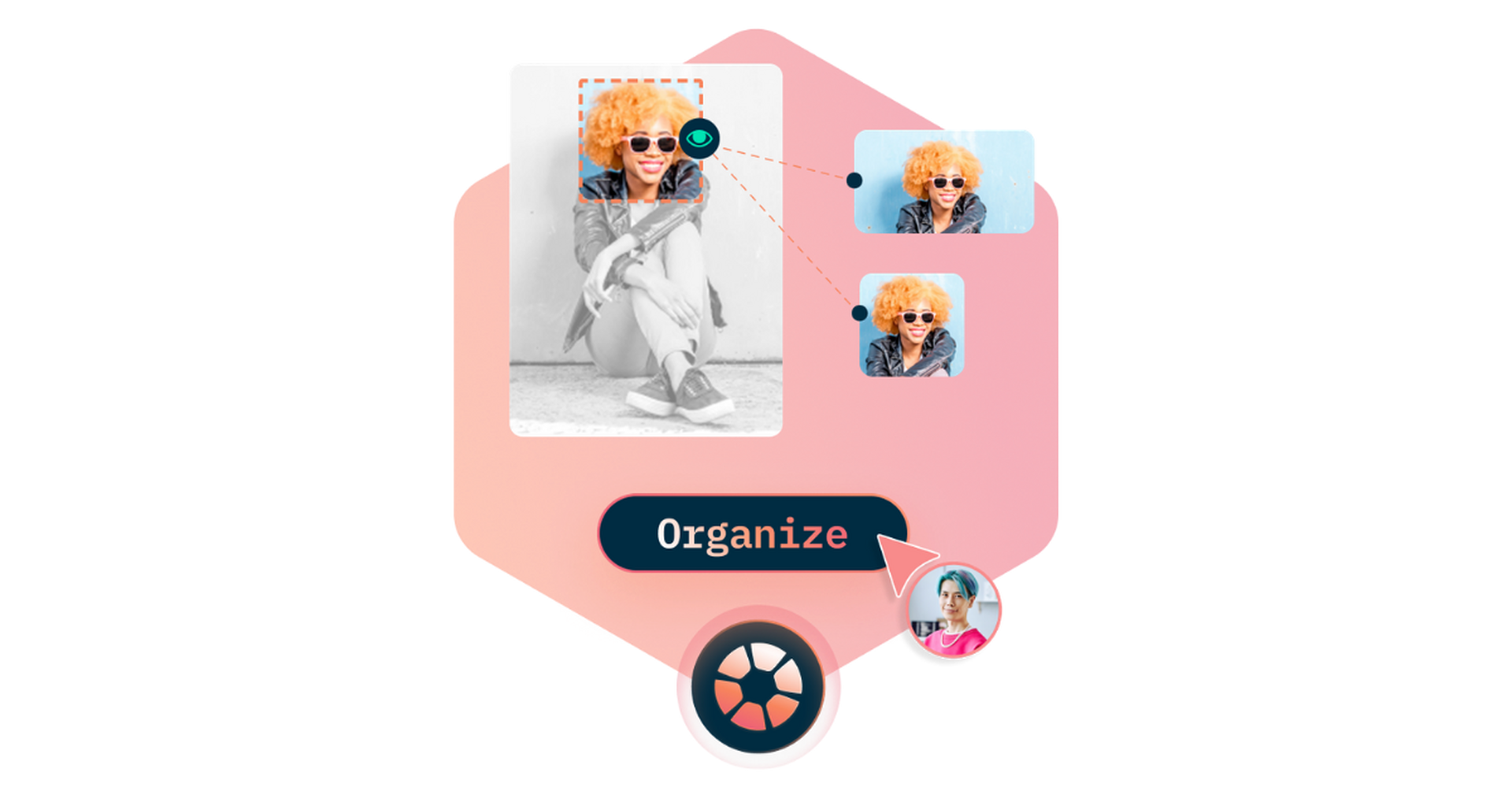
Content Hub (DAM)
Organize, enrich, and manage your media assets in one place.
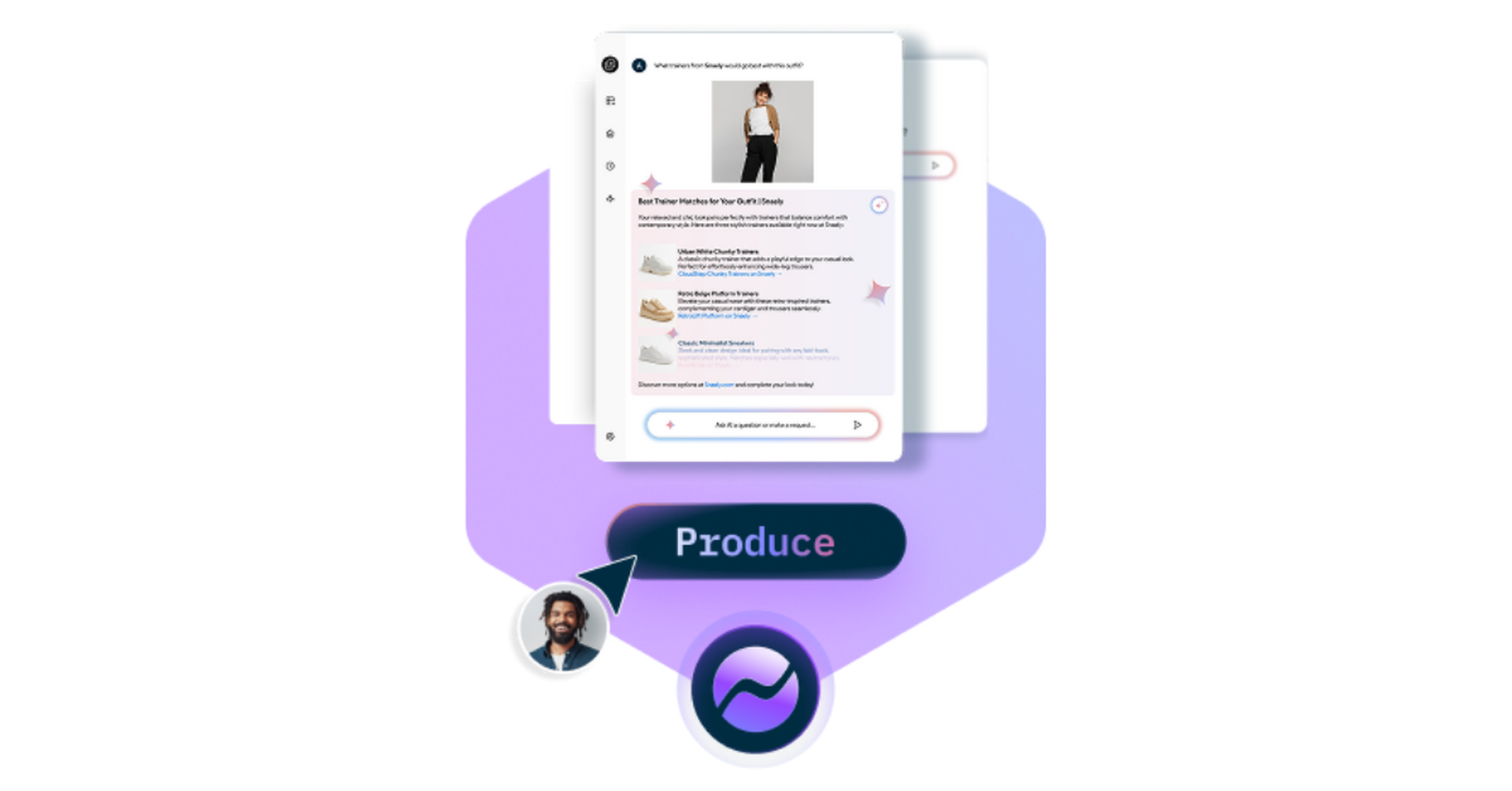
Workforce AI
Agentic workflows for automated content production.
How Amplience powers B2B ecommerce operations
One platform. Every catalog, portal, and channel.
Agentic AI workflows that act on triggers in your content supply chain
Built into your content supply chain, Workforce is the agentic AI content engine that acts on triggers rather than waiting to be prompted. A new product enters your PIM or ERP and Workforce gets to work. It pulls structured data, generates product descriptions and marketing copy, then routes everything for human approval before anything goes live. Content teams spend less time on high-volume production tasks and more time on the work that requires their expertise.
Workforce Flows are the automated pipelines that run the full content production sequence. From generation through localization, image standardization, review, and publish, everything happens in one connected workflow. One flow produces localized variants across multiple markets with brand voice preserved, not just translated. Supplier images in inconsistent formats are auto-transformed to brand standards and ingested into the DAM.
For food distribution and wholesale, Workforce generates product descriptions and marketing copy, standardizes supplier imagery, and localizes editorial content across markets. For industrial distribution and manufacturing, Workforce manages the content workflow, routes content for review, and handles localization of marketing materials.
Generative AI that works from your product data and compliance requirements
Generate product descriptions and editorial content from structured data, trained on your brand standards and content rules. For distributors in foodservice and healthcare supply, where compliance content is non-negotiable, Amplience’s headless CMS supports structured Compliance Blocks as a dedicated content type. Allergen data, food safety certifications, and regulatory claims are structured, governed, and routed for mandatory review independently from standard product content.
Workforce handles the volume. Your content team focuses on strategic work that moves the needle.
AI digital asset management built for B2B catalog scale
Every product image, technical datasheet, and sales asset in one governed hub. Content Hub is the AI-powered DAM that delivers brand assets via CDN directly to your B2B storefront and partner portal. Intelligent tagging makes assets discoverable across large catalogs. Tiered access controls mean partner-tier-one sees what partner-tier-one should see, and nothing else, without manual gatekeeping from your team.
For distributors where an out-of-date certification or superseded datasheet creates a compliance exposure rather than just a content error, having all assets in a single governed hub, rather than scattered across shared drives, email threads, and local folders, is what makes the difference. One place to update. Every channel reflects it.
A headless CMS that puts your content team in control
Your content team should not need a developer to publish a supplier landing page or schedule a promotional campaign. With Amplience, business users own the full process of creating, scheduling, and publishing content across every channel from one platform. SAP Commerce catalog and SKU IDs are embedded directly in content items. Your headless CMS owns the experience. SAP owns the transaction. When content needs to go live today, it goes live today.
Multi-storefront operations run natively. A main B2B site, a specialist equipment store, and a dealer portal, all managed from one platform with a shared content model and channel-specific scoping where needed. Your team owns the experience from one place.
API-first, MACH-certified, and your foundation for agentic B2B commerce
Amplience is MACH Alliance-certified and fits any composable B2B ecommerce stack. SAP Commerce Cloud, Salesforce B2B Commerce, commercetools, and BigCommerce are all proven integrations. As AI agents take on more of the procurement process, comparing specifications and shortlisting suppliers autonomously, structured and enriched product content is the commercial foundation that determines whether your products appear. Amplience ensures they do.
Structured content from the CMS feeds Algolia and Constructor search indexes, enabling rich product discovery far beyond basic PIM attribute matching. The platform delivers via REST and GraphQL APIs with a 99.99% SLA.
The content platform behind some of the world’s most demanding B2B operations
Real-world results
increase in web traffic
A leading UK distributor deployed Amplience across three storefronts and five customer segments. Web traffic increased 50%.

revenue uplift
The same deployment delivered a 35% revenue increase on the specialist equipment storefront. New storefront launched in six months.
SKUs
A large European distributor manages over 50,000 SKUs with Amplience, with technical product content and governed imagery delivered to trade buyers across multiple markets.
Your B2B catalog is growing. Your content operation should keep up with it.
Book a demo and we will show you how distributors and manufacturers are managing complex product catalogs, dealer portals, and partner networks at scale, on one platform.